Occupancy gap between luxury and mid-tier properties
1 story·First covered Feb 8, 2026·Latest Feb 8
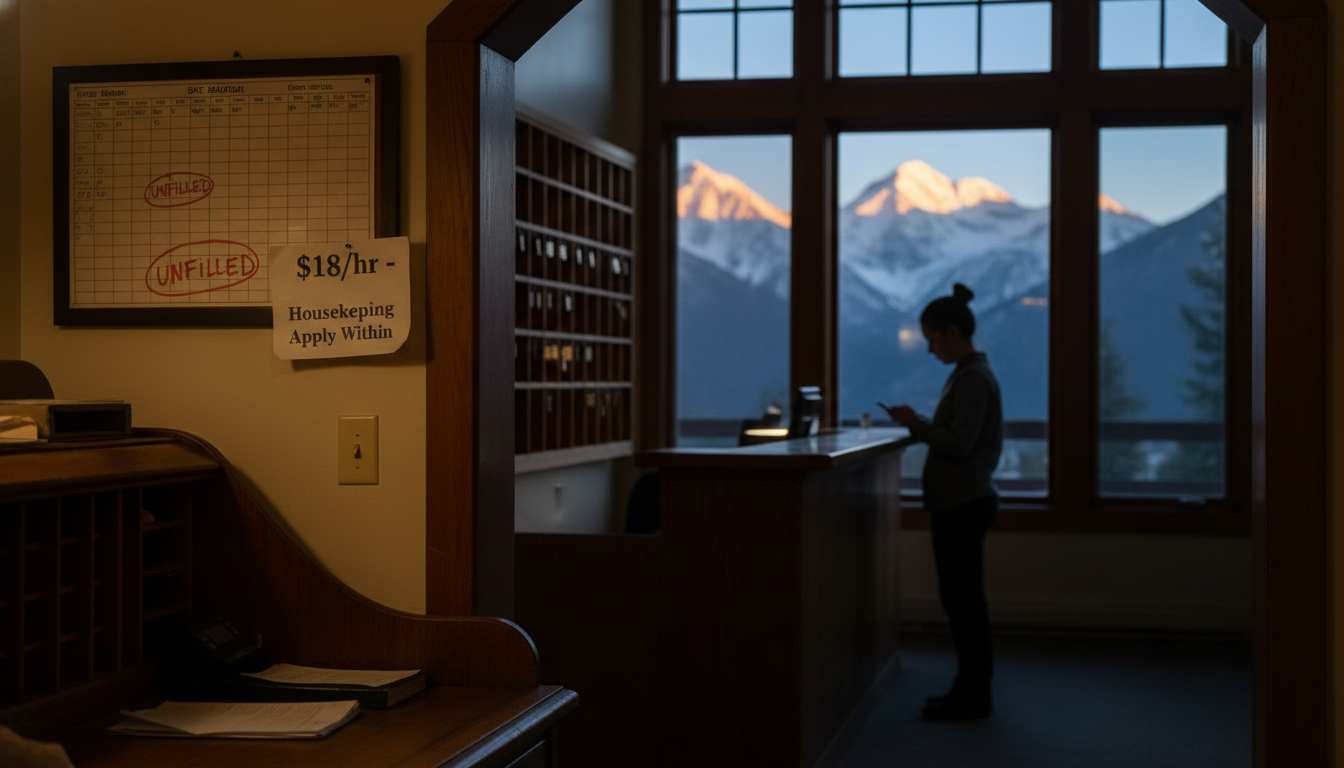
The occupancy gap between luxury and mid-tier properties refers to the divergence in booking rates and revenue performance between high-end hotels and standard upscale accommodations. This performance differential has become increasingly pronounced in certain market segments, particularly in destination properties like ski resorts where luxury operators command significantly higher occupancy rates and pricing power than their mid-tier competitors.
For hotel operators and investors, this gap carries critical implications for asset positioning and capital allocation decisions. Luxury properties benefit from pricing resilience, brand loyalty, and demand from affluent travelers less sensitive to economic cycles, while mid-tier properties face margin compression from competing on volume in a more price-sensitive market. Understanding this occupancy divergence helps stakeholders evaluate whether repositioning investments or brand conversions make financial sense for their portfolios.
The gap's magnitude varies by geography and property type, with mountain destinations and resort markets showing particularly stark contrasts. Operators managing mid-tier assets must assess whether their market positioning allows them to capture sufficient demand to justify current operations or whether strategic repositioning toward luxury or economy segments offers better returns.
The Independent just published another fawning listicle about luxury ski hotels. Here's what they won't tell you: the gap between top-tier mountain resorts and everybody else is getting wider, and if you're running a 60-150 room property within 20 miles of a major ski area, you're getting squeezed.
📡
Get the Briefing Every Morning at 6AM
Join hotel operators, owners, and investors who start their day with InnBrief.
Free forever. Unsubscribe anytime. No spam — just signal.
The InnBrief Daily
92% open rate — operators read this.
Hotel industry intelligence in your inbox every morning at 6AM. No fluff.