Hilton Just Turned Your Elite Upgrade Into a Revenue Line Item. The Front Desk Feels It First.
Hilton is now showing paid upgrade options to Gold and Diamond members during digital check-in, turning what used to be a complimentary perk into an airline-style upsell engine. The question nobody at corporate is answering is what happens to the front desk agent when a Diamond member walks up expecting the upgrade they've always gotten... and gets a price tag instead.
So here's what actually happened. Hilton rolled out its "Upgrade at Digital Check-In" program globally, and now Gold, Diamond, and Diamond Reserve members see both complimentary and paid upgrade options in the app before they arrive. Hilton's own numbers say 57% of incremental upsell revenue at participating full-service properties is coming from elite members. Let that land for a second. The people who were already supposed to get upgrades... they're the ones buying them now. That's not a loyalty benefit evolution. That's a monetization pivot dressed up as "transparency" and "flexibility."
Look, I get the business logic. Chris Nassetta said it himself... the Diamond tier grew to "millions of members," making it impossible to "reliably deliver bespoke, on-property benefits." So instead of fixing the dilution problem (which would mean making Diamond harder to earn, which would mean fewer members, which would mean lower engagement metrics for the quarterly call), they created a new super-tier called Diamond Reserve requiring 80 nights or 40 stays plus $18,000 in eligible spend. Those folks get Confirmable Upgrade Rewards... guaranteed suite upgrades at booking. Everyone else? Here's a menu. Swipe your card. The architecture of this is classic loyalty program entropy... you inflate the tier until it's meaningless, then sell a new tier on top of it and charge the old tier for what they used to get free.
Here's where I start thinking about the technology and the operational reality. The app-based upsell flow is clean... I'll give them that. Digital check-in, room selection, upgrade pricing visible before arrival. As a system, it's well-built. But the system assumes every guest interaction happens in the app. It doesn't. A GM I talked to last month told me roughly 40% of his Diamond guests still walk up to the desk. They don't check in digitally. They want the human interaction... that's part of what "elite" means to them. So now your front desk agent is the person who has to explain why the upgrade isn't automatic anymore. The app handles the "transparency" beautifully. The lobby handles the friction. And the PMS... let's talk about what the PMS actually shows the agent. If the upgrade inventory is being managed through a separate revenue optimization layer that feeds into the app but doesn't perfectly sync with the front desk terminal in real time (and if you've worked with hotel tech stacks, you know how often "real time" means "close to real time, usually, unless it doesn't"), you're going to get conflicts. Agent sees a suite available. App already priced it at $75 for a Diamond member who hasn't decided yet. Guest walks up. Agent offers it. Now what? Who owns that inventory decision... the algorithm or the human?
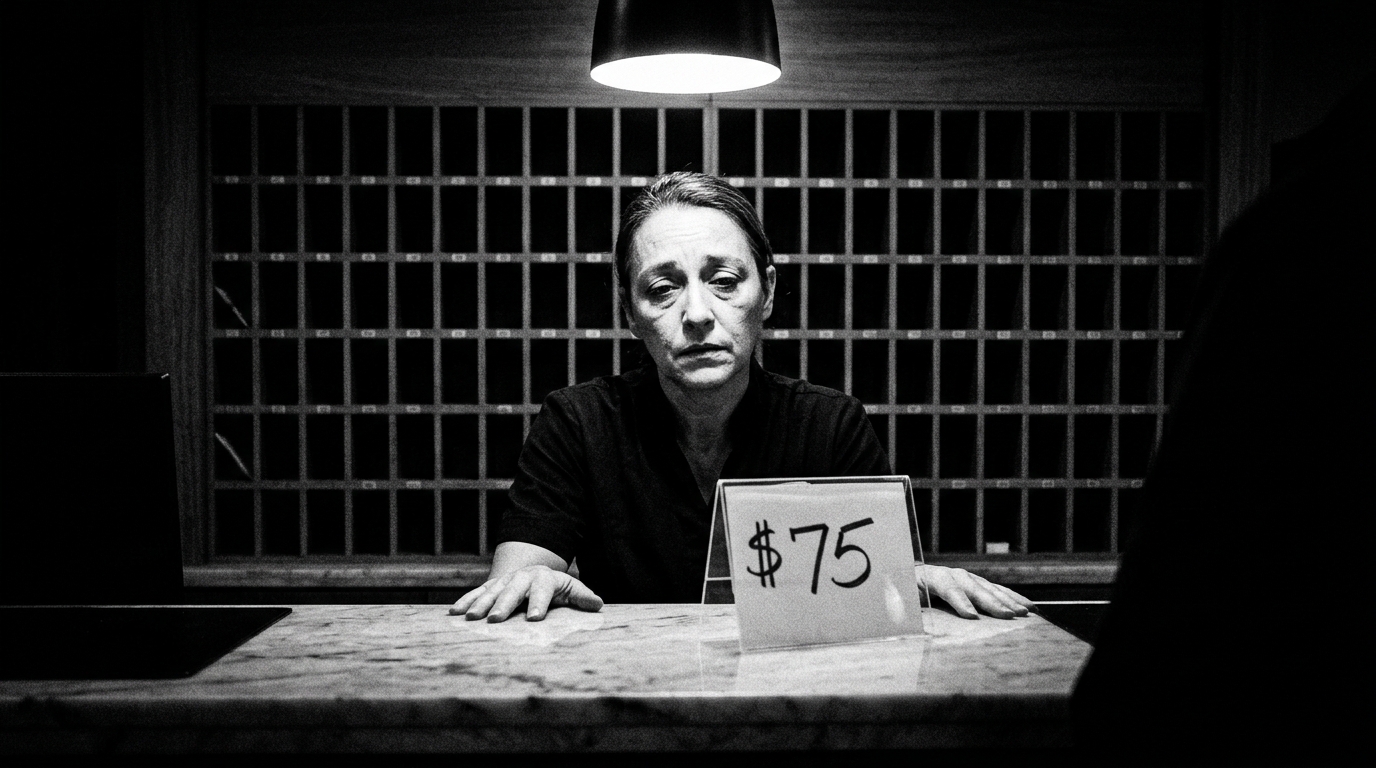
The Dale Test question here is brutal. When this system creates a conflict at 11 PM between what the app says and what the desk agent sees, and the guest is a Diamond member with 60 nights who's been getting complimentary upgrades for years... what's the recovery path? The technology works fine in the demo. It works fine for the 60% who check in digitally. For the rest, you just moved the emotional labor of a loyalty program devaluation onto your least-paid, least-empowered employees. That's not a technology problem. That's a design philosophy problem. The system was built for revenue optimization, not for the moment when a human being has to look another human being in the eye and say "that used to be free, but now it's $75."
And here's the thing that really gets me. Hilton is framing this as giving members "more choice." That's the exact language every airline used when they started charging for upgrades, when they started charging for bags, when they started charging for seat selection. "More choice" is corporate speak for "we found a way to charge for something you already had." The technology enables it beautifully... clean UI, transparent pricing, friction-free digital flow. I'm not questioning the engineering. I'm questioning what we're engineering it to do. Because 188 million Honors members didn't sign up for a transactional relationship. They signed up for recognition. And recognition that comes with a price tag isn't recognition. It's retail.
Here's what to do this week if you're running a Hilton-flagged property. First, pull your front desk team together and walk them through exactly what Diamond and Gold members are now seeing in the app... because your agents are about to field complaints they haven't been trained for. Script three responses for the guest who says "I've always gotten my upgrade." Second, audit your upgrade inventory allocation. Understand how the app-based pricing interacts with your PMS availability in real time, and identify where conflicts will happen. If you don't know, call your brand ops contact and don't hang up until you get a clear answer. Third... and this is the one that matters most... track your elite guest satisfaction scores weekly for the next 90 days. If you see Diamond scores dropping, you need that data documented before your next brand review. The revenue from paid upgrades will show up on your P&L. The cost of a devalued loyalty guest walking across the street to Marriott won't... until it's too late to fix.