Cornwall Told Tourists to Stay Away. Now It's Begging Them to Come Back.
Cornwall's tourism economy generates £2.1 billion a year and supports one in five local jobs. After years of anti-tourist sentiment drove visitors away, the region just watched its tourism promotion body go bankrupt and visitor numbers fall to levels not seen since 2013.
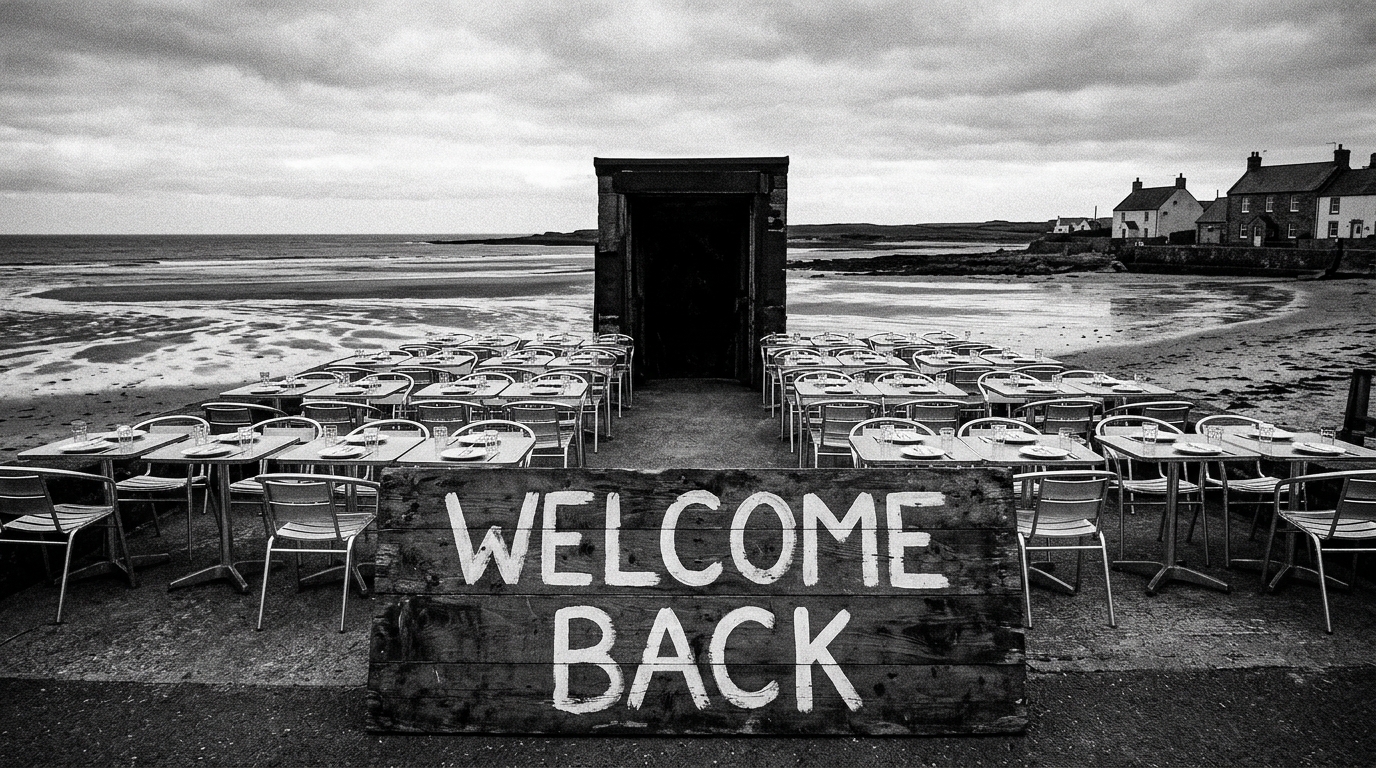
I've seen this movie before. Different setting, same plot.
A destination gets popular. Too popular. Locals complain. Politicians respond to the complaints instead of managing the growth. The messaging shifts from "welcome" to "we're full." And then... demand listens. Demand always listens eventually. The tourists go somewhere else. And now the restaurants are empty, the hotels are cutting hours, and the same people who wanted the visitors gone are wondering where the paychecks went.
Cornwall hit a record 5 million domestic tourists in 2022. Post-pandemic staycation boom. And instead of building infrastructure to handle the volume... better parking, smarter traffic flow, investment in the things that make a destination work at scale... the conversation turned hostile. "Turn around." "We don't want you here." Local sentiment made national press. Message received. Visitor counts dropped 10-15% in 2023. Another 10%+ in 2024. They're now back to 2013 levels. Twelve years of growth, gone.
Here's the part that should make every destination operator's stomach turn. Visit Cornwall, the organization responsible for marketing the region, went into voluntary liquidation last October. Bankrupt. The entity whose entire job was getting people to show up... ceased to exist right when the region needed it most. Government funding through the UK Shared Prosperity Fund was ending. Nobody had a backup plan. So now you've got a £2.1 billion tourism economy with no marketing organization, declining visitor counts, and operators staring down £100,000 in additional annual costs from rising business rates, National Insurance, VAT, and minimum wage increases. One hotel owner on the north coast did that math publicly. It's not pretty.
I knew a GM once in a beach market (not Cornwall, but the dynamics were identical) who told me something I never forgot. She said the worst thing that ever happened to her hotel wasn't a hurricane. It was when the local newspaper ran a front-page story about how tourism was "ruining our town." Took three years to recover the booking pace. Three years. Because once you tell someone they're not welcome, they remember. You can spend millions on marketing after that and people still carry the feeling. This is what I call the Rate Recovery Trap... except it's not about rate, it's about demand sentiment. You can destroy market perception fast. Rebuilding it is slow, expensive, and not guaranteed. Cornwall's learning that in real time, and the tuition is brutal.
The really painful irony? Tourism accounts for 20% of all jobs in Cornwall. One in five. When Rick Stein's restaurant group... arguably the region's highest-profile hospitality brand... reports a 5.4% revenue drop and the broader UK hospitality sector sees a 41.7% year-over-year increase in businesses hitting critical financial distress, you're not looking at a rough patch. You're looking at structural damage. And now there's talk of a "holiday tax" on visitors... a levy that operators estimate could add £100 to a two-week family stay. In a market where you're already losing visitors to cheaper European alternatives. In a market where you just killed your own tourism marketing body. I don't have a polite way to say how spectacularly bad that timing is.
If you run a property in any leisure-dependent market (and that's a LOT of you), Cornwall is your case study in what happens when a destination turns hostile to its own customers. Talk to your local tourism board, your chamber of commerce, your CVB... whoever controls the destination narrative. If that narrative is shifting toward "we have too many tourists" or "we need to protect our community from visitors," get in that conversation now. Because the correction, when it comes, doesn't arrive gently. It arrives as a 10-15% demand drop compounded over multiple years. Run your numbers at 85% of current demand for 18 months. If your breakeven doesn't survive that, you have work to do on your cost structure before the sentiment shift reaches your market. And if anyone in your destination is floating the idea of a tourism tax or visitor levy... fight it publicly. You can always add a fee to a healthy market. You cannot tax your way back to relevance in a declining one.